
Sòng bài Top88 – Giải Trí Trực Tuyến Nhận Thưởng Tiền Thật
Sòng bài Top88 nhận được rất nhiều sự ưu ái đến từ phía cao thủ và chuyên gia. Tham gia tại sân chơi cược thủ không chỉ nhận về trải nghiệm giải trí tuyệt vời, mà còn có được cơ hội kiếm thưởng bất tận. Để hiểu rõ hơn về địa điểm thiên đường này, hãy kéo xuống bài viết phía dưới đây và chúng tôi sẽ giúp bạn giải đáp!
Đôi nét khái quát về sòng bài Top88
Game bài từ trước đến nay vẫn luôn là bộ môn khuấy đảo thị trường giải trí trên thế giới trong đó có Việt Nam. Với sức nóng không có dấu hiệu hạ nhiệt, gương mặt đình đám này đã nhanh chóng được mở rộng sang nền tảng trực tuyến để đáp ứng nhu cầu hội viên.
Hiện nay, một trong những địa điểm tổ chức giải trí game bài đỉnh cao nhất chính là sòng bài Top88. Hệ thống sở hữu kho tàng đa dạng các thể loại từ truyền thống đến hiện đại như Baccarat. Blackjack, Roulette,… Bên cạnh đó, hội viên còn được bảo đảm minh bạch, công bằng và uy tín trong toàn bộ giao dịch thưởng cược tại Top88.
Lý do sòng bài Top88 là điểm đến chân ái dành cho cược thủ
Hiện nay, số lượng truy cập vào hệ thống Top88 mỗi ngày có thể lên đến hàng triệu. Sở dĩ có được điều đó là bởi nơi đây hội tụ hàng loạt ưu điểm khác nhau, đem đến trải nghiệm tuyệt đỉnh nhất cho hội viên. Cụ thể gồm có:
Linh hoạt, thuận tiện
Chơi bài chưa bao giờ thuận tiện đến thế khi giờ đây thành viên chỉ cần mạng internet và thiết bị thông minh là đã có thể tham gia sòng bài Top88. Đặc biệt, không những không tốn kém nhiều thời gian và công sức di chuyển đến sòng bạc, giờ đây bạn có thể thỏa sức đam mê của mình mọi lúc mọi nơi.
Giao diện đỉnh cao
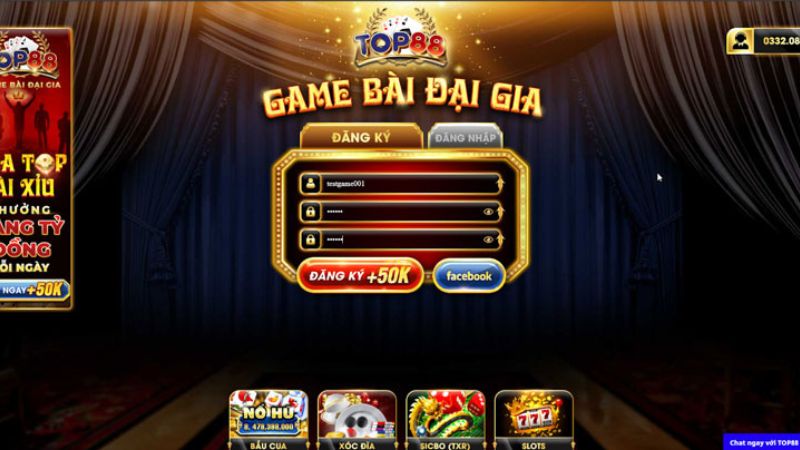
Ngay khi truy cập vào Top88, đập vào mắt hội viên là giao diện hiện đại với màu sắc và thiết kế dẫn đầu xu hướng. Không những thế, sòng bạc còn được bố trí hệ thống âm thanh chân thực, sống động trên từng giai điệu. Do đó, dù qua màn ảnh nhỏ nhưng trải nghiệm của anh em sẽ không khác gì ngoài thực tế.
Khuyến mãi ngập tràn
Hội viên khi chơi sòng bài Top88 không cần quá lo lắng về vấn đề tiền vốn vì đã có sự hỗ trợ đắc lực từ ưu đãi của hệ thống. Mỗi ngày, mỗi tuần và mỗi tháng sân chơi đều cập nhật nhiều sự kiện khuyến mãi khác nhau. Đặc biệt, những chương trình này sẽ phù hợp cho cả hội viên lâu năm lẫn những người chơi mới.
Trả thưởng xanh chín
Là một tổ chức luôn đứng đầu trong thị trường giải trí online, hệ thống sòng bài Top88 cam kết đặt sự uy tín lên trên hàng đầu. Vì thế, khi tham gia toàn bộ người chơi giành được chiến thắng đều được sân chơi trao thưởng đầy đủ, xanh chín. Giao dịch rút nạp tại hệ thống luôn được bảo đảm an toàn, công bằng và minh bạch nhất.
Bí quyết chơi bài tại Top88 rinh thưởng khủng
Game bài không chỉ là một hình thức giải trí đổi thưởng dựa vào yếu tố may mắn, mà thành viên còn cần những kỹ năng tư duy sắc bén thì mới có thể dễ dàng đem về cho mình chiến thắng. Dưới đây là một số bí quyết giúp bạn đạt được hiệu quả và rinh thưởng dễ dàng khi tham gia tại Top88:
Quản lý nguồn vốn tốt
Quản lý nguồn vốn là yếu tố then chốt quyết định đến việc thắng bại của bạn khi tham gia tại sòng bài Top88. Hãy dựa trên khả năng tài chính của mình cũng như mục tiêu tiền thưởng muốn đạt được tại game để vạch ra kế hoạch chi tiết khi chơi.
Việc làm này không những giúp hội viên linh hoạt trong các nước cược mà còn hạn chế tình trạng mất kiểm soát dẫn đến chơi tất tay. Bởi hành động chơi tất tay cực kỳ nguy hiểm có thể để lại hậu quả thua lỗ nặng nề cho bạn.
Nắm rõ luật chơi sòng bài Top88
Như chúng tôi giới thiệu, game bài tại Top88 sở hữu đa dạng hình thức khác nhau. Mỗi bộ môn đều có quy luật chơi cũng như tỷ lệ trả thưởng riêng biệt. Do đó trước khi tham gia, hội viên cần phải nắm rõ quy tắc được quy định trong game để đảm quá trình giải trí hiệu quả nhất.
Lựa chọn thể loại phù hợp
Sau khi nắm rõ luật chơi, thành viên hãy cố gắng thử sức với nhiều bộ môn khác nhau. Bởi độ khó dễ của từng game có trong sòng bài Top88 là khác nhau. Tuỳ thuộc vào kiến thức, kinh nghiệm và trải nghiệm của mình bạn hãy chọn loại có mức độ phù hợp với bản thân.
Lời kết
Sòng bài Top88 quả thực là một sàn cược đẳng cấp top 1 thị trường giải trí trực tuyến tại nước ta. Nếu cảm thấy bản thân đã rơi vào lưới tình với nơi đây thì hãy nhanh tay truy cập trang chủ nhà cái, đăng ký tài khoản và thưởng thức những siêu phẩm tuyệt đỉnh bạn nhé!
BÀI VIẾT MỚI NHẤT

1 điểm lô Top88 bao nhiêu tiền – Hướng dẫn cách tính chi tiết
Xổ số lô đề là một trò chơi may rủi phổ biến tại Việt Nam, [...]

Phần mềm dự đoán Keno Top88 – Dự đoán kết quả xổ số
Phần mềm dự đoán Keno Top88 chính là công cụ hỗ trợ đắc lực giúp [...]

Kèo tài xỉu là gì? Bật mí kinh nghiệm soi kèo từ chuyên gia
Bạn muốn thử vận may và đắm chìm trong thế giới cá cược bóng đá [...]

Cược xiên Top88 là gì? Bí mật chinh phục thử thách đầy hấp dẫn
Bạn muốn thử vận may và đắm chìm trong thế giới cá cược bóng đá [...]

Kèo tỷ số chính xác Top88 là gì? Kinh nghiệm bắt kèo
Bạn muốn thử vận may và đắm chìm trong thế giới cá cược bóng đá [...]

Tỷ lệ kèo Hong Kong Top88 là gì? Nâng cao cơ hội thắng
Tỷ lệ kèo Hong Kong là một trong những loại kèo phổ biến nhất, đặc [...]

Tỷ lệ kèo Malaysia Top88 là gì? Cách cá cược bóng đá
Tỷ lệ kèo Malaysia Top88 là một trong những loại kèo phổ biến nhất, đặc [...]

Odds Top88 là gì? Bí mật chinh phục thế giới cá cược bóng đá
Odds Top88 là một trong những yếu tố quan trọng nhất mà bạn cần hiểu [...]